
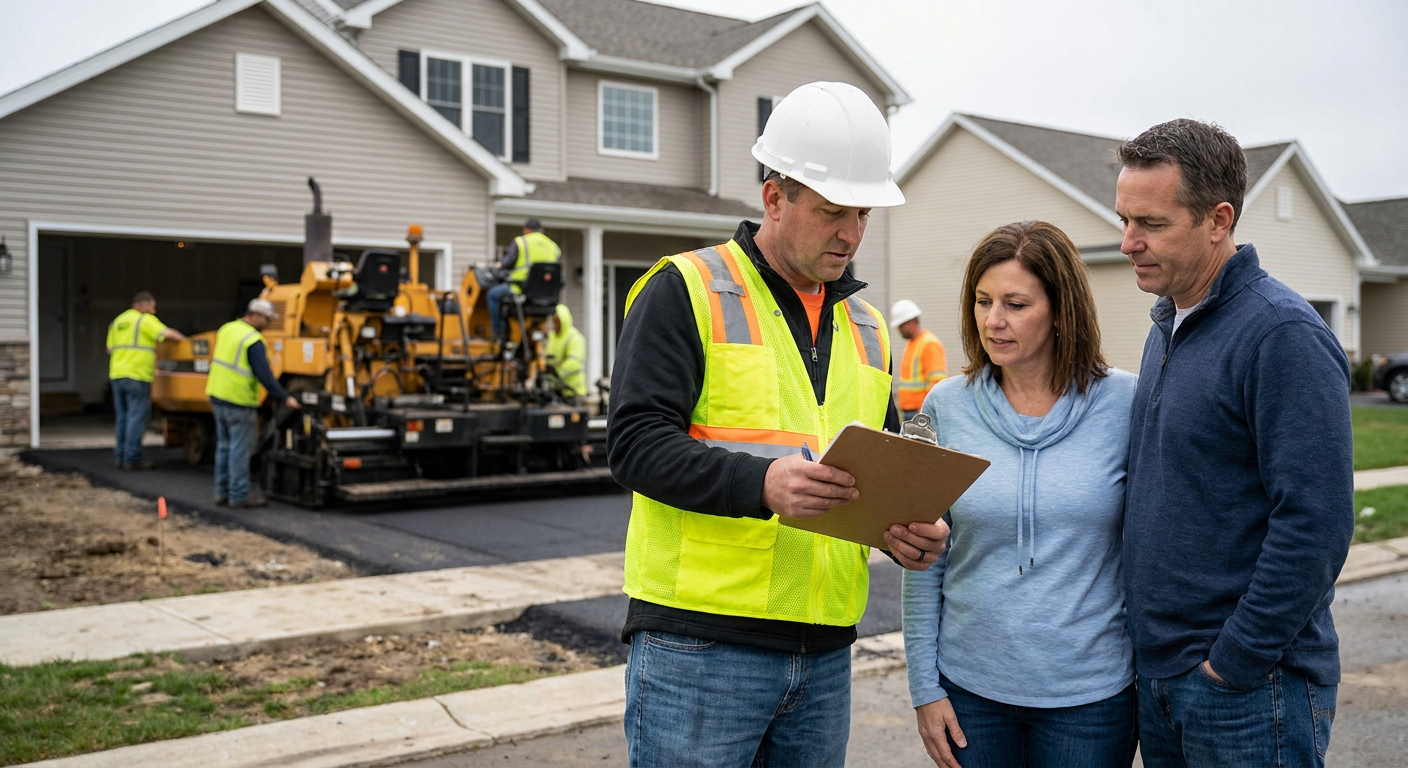
5 Budget-Friendly Tips for Hiring a Paving Contractor Without Breaking the Bank
Finding the right paving contractor shouldn’t mean emptying your savings account. Whether you need a new driveway, a repaired parking lot, or a fresh asphalt surface, the cost can add up quickly if you’re not careful. The good news is that with some smart planning and a clear understanding of where your money goes, you can get quality work at a fair price. This guide will walk you through five practical, budget-conscious strategies for hiring a paving contractor who delivers solid results without the sticker shock.
1. Choose a Local Contractor with Transparent Pricing
Working with a contractor based in your area can save you money in ways you might not immediately consider. Local companies don’t have to factor in expensive travel costs, fuel surcharges, or hotel stays for their crews, and those savings often get passed directly to you. They also have established relationships with nearby suppliers, which can mean better pricing on materials.
St. Catharines Paving serves the Niagara region with straightforward estimates and no hidden fees. Because they work exclusively in the local area, they understand regional weather patterns, soil conditions, and municipal requirements, which helps prevent costly mistakes or delays. Their team provides detailed written quotes that break down labor, materials, and timelines so you know exactly what you’re paying for before any work begins.
Transparent pricing matters because vague estimates can balloon into surprise charges once the project is underway. A reputable local contractor will walk you through each line item and explain what’s included. Ask about what could cause price changes, such as unexpected base repairs or drainage issues, so you can budget for contingencies. Getting this clarity upfront protects you from the budget overruns that plague many paving projects.
2. Schedule Your Project During the Off-Season
Timing your paving project strategically can lead to significant savings. Spring and early summer are peak seasons for paving contractors, which means higher demand and higher prices. Many companies raise their rates during these busy months simply because they can. Crews are booked solid, and you’ll have less negotiating power.
Consider scheduling your work in late summer, early fall, or even late spring if weather permits. Contractors often have gaps in their schedules during these periods and may offer discounts to keep their crews working steadily. The weather is still warm enough for asphalt to cure properly, but demand has cooled off. Some contractors will even provide off-season discounts of ten to twenty percent just to fill their calendar.
Be flexible with your timeline if possible. If you can give a contractor a window of several weeks rather than demanding a specific date, they can slot you in when it makes the most sense for their schedule. This flexibility often translates into better pricing because you’re making their job easier. Just make sure the work gets completed before temperatures drop too low, as cold weather can compromise the quality of asphalt installation.
3. Get Multiple Quotes and Compare Apples to Apples
Never accept the first quote you receive, no matter how reasonable it seems. Getting at least three estimates from different contractors gives you a realistic sense of the going rate for your project and helps you spot outliers. If one bid comes in far lower than the others, that’s a red flag suggesting either cut corners or hidden costs that will surface later.
When comparing quotes, make sure you’re actually comparing similar scopes of work. One contractor might include grading and base preparation in their price, while another quotes only the asphalt layer and treats everything else as an add-on. Ask each contractor to itemize their bid so you can see exactly what’s included. Check whether they’re proposing the same asphalt thickness, the same base materials, and the same prep work.
Don’t automatically choose the cheapest option. A low bid often means lower quality materials, rushed work, or a contractor who underestimated the job and will cut corners to stay profitable. Instead, look for the best value, which means solid materials, proper technique, and a fair price. Ask each contractor about their material sources, crew experience, and timeline. The middle-range bid from a reputable contractor with good references usually offers the best balance of quality and affordability.
4. Consider Smaller Repairs Instead of Full Replacement When Possible
Not every damaged driveway or parking lot needs complete replacement. If your pavement has minor cracks, small potholes, or surface wear but the base is still solid, targeted repairs can extend its life for several more years at a fraction of the cost. A full tear-out and replacement might run into the thousands or even tens of thousands of dollars, while crack sealing, patching, and seal coating can cost just a few hundred.
A good contractor will be honest about whether repair or replacement makes more financial sense. If the base has failed, if there are widespread alligator cracks, or if the pavement has sunk significantly, then replacement is probably your only real option. But if the damage is localized or mostly cosmetic, repairs can buy you time until you’re ready to budget for a full renovation.
Seal coating is particularly cost-effective. This protective layer shields your asphalt from UV rays, water penetration, and chemical damage from oil or gas spills. Applying seal coating every few years can double the lifespan of your pavement, which means you’ll go much longer before needing that expensive replacement. Ask your contractor about maintenance plans that include regular inspections and minor repairs. Catching small problems early prevents them from turning into major expenses.
5. Ask About Material Options and Thickness Requirements
Asphalt isn’t a one-size-fits-all product, and the materials your contractor uses will directly impact both the upfront cost and long-term durability. Hot mix asphalt comes in different grades, and some projects can use a less expensive mix without sacrificing performance. For example, a residential driveway that sees light traffic doesn’t need the same heavy-duty asphalt required for a commercial parking lot.
Thickness matters too. While a thicker layer of asphalt costs more upfront, it can actually save you money over time by lasting longer and requiring fewer repairs. However, you don’t want to overpay for unnecessary thickness. A typical residential driveway needs about two to three inches of asphalt over a properly prepared base. Going thicker than that usually doesn’t provide enough extra benefit to justify the added cost, unless you regularly park heavy vehicles or equipment.
Talk to your contractor about what’s appropriate for your specific situation. Explain how you’ll use the surface, what kind of traffic it will handle, and what your budget constraints are. A good contractor will recommend the most cost-effective solution that still meets your needs. They might suggest a slightly thinner asphalt layer with a stronger base, or a standard mix instead of a premium one, or even a recycled asphalt product that performs well at a lower price point. Being informed about your options puts you in control of the budget without compromising on quality.
Conclusion
Hiring a paving contractor doesn’t have to drain your bank account if you approach the process with a budget-conscious mindset. By choosing a local company with clear pricing, timing your project wisely, comparing multiple bids carefully, considering repairs over replacement when appropriate, and understanding your material options, you can get professional results at a price that works for you. Take the time to ask questions, do your homework, and communicate your budget openly with potential contractors. The right professional will work with you to find solutions that deliver quality work without unnecessary costs.