
6 Budget-Friendly Commercial Paving Solutions That Won’t Break the Bank
If you manage a business property, you know that parking lots, driveways, and walkways take a beating. Cracks appear, potholes grow, and before long, your pavement looks unprofessional and unsafe. The good news is that fixing or installing commercial pavement doesn’t have to drain your budget. With smart planning and the right approach, you can get durable, attractive results without overspending. This list is for business owners, property managers, and anyone responsible for maintaining commercial spaces who wants to make every dollar count. We’ll cover practical, cost-effective paving options that deliver real value.
1. Partner with Local Experts Who Understand Value
Working with a local paving company often costs less than hiring a large national chain, and you get personalized service that fits your budget. Local contractors have lower overhead, know the area’s climate and soil conditions, and can respond quickly when you need repairs or maintenance. They’re also more likely to work with you on payment schedules and project phasing if cash flow is tight.
St. Catharines Paving is a prime example of a contractor that focuses on delivering quality work at fair prices for businesses in the region. They handle everything from small parking lot repairs to complete resurfacing projects, and they’ll give you honest advice about what your pavement actually needs instead of pushing unnecessary services. Local companies like this often have strong reputations to protect in their communities, which means they’re motivated to do the job right the first time and keep costs reasonable. You’ll also save on travel fees and get faster service when problems arise.
2. Asphalt Overlays Instead of Full Replacement
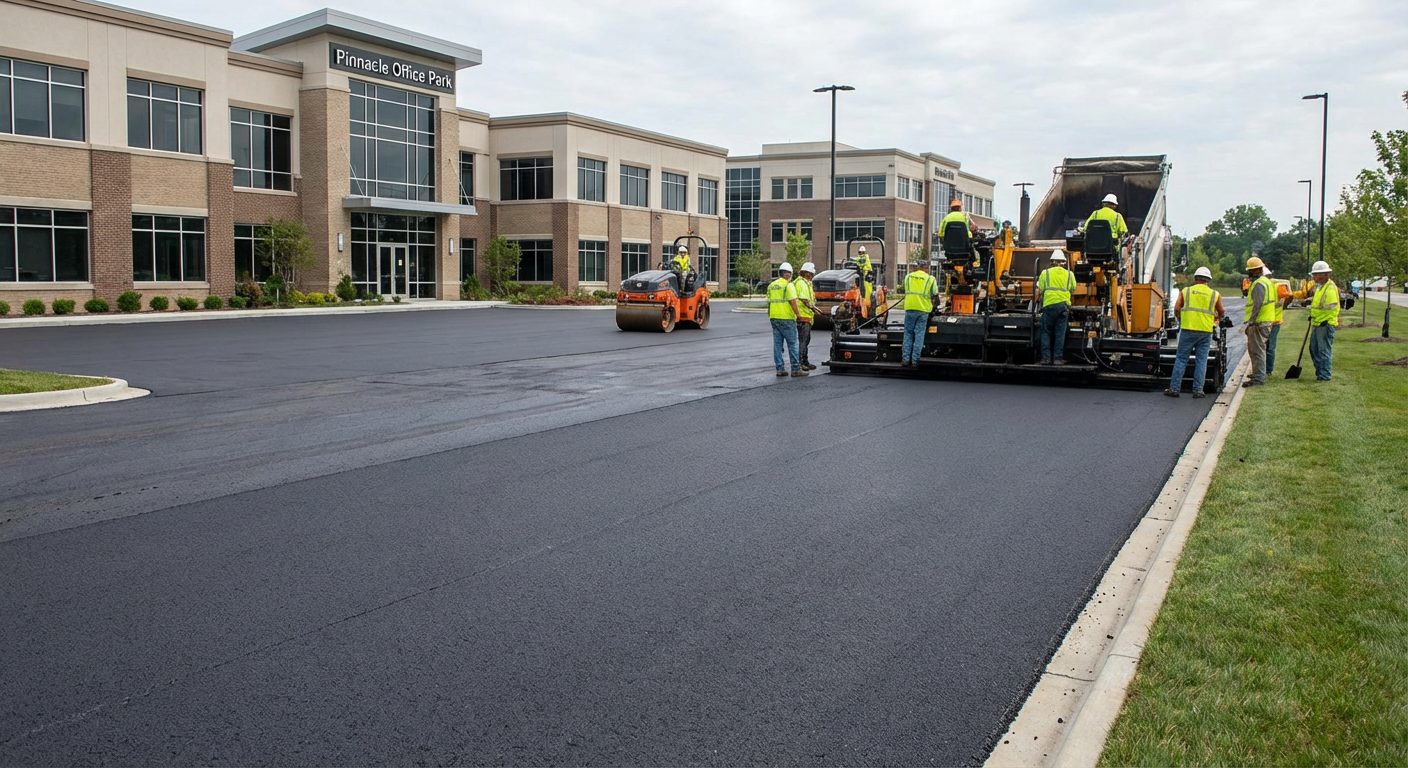
If your existing pavement has a solid base but the surface is worn or cracked, an overlay can give you a fresh new look for a fraction of the cost of tearing everything out and starting over. This process involves adding a new layer of asphalt on top of the old surface after cleaning and repairing any major defects. You get a smooth, attractive finish that can last 10 to 15 years with proper maintenance. Overlays work best when the underlying structure is still sound and there are no major drainage or base problems. Your contractor will assess whether your pavement is a good candidate. The process is faster than full reconstruction, which means less downtime for your business and lower labor costs. You’ll also save money on disposal fees since you’re not hauling away tons of old asphalt. This approach is particularly smart for parking lots that see moderate traffic and don’t have severe structural damage. The key is addressing any drainage issues or deep cracks before the overlay goes down, so the new surface doesn’t develop the same problems.
3. Crack Sealing and Sealcoating for Long-Term Savings
Prevention is always cheaper than replacement, and regular maintenance can extend the life of your pavement by years. Crack sealing stops water from seeping into the base and causing bigger problems like potholes and base failure. Sealcoating protects the asphalt from sun damage, oil spills, and oxidation while giving it a fresh black appearance that makes your property look well-maintained. These maintenance tasks cost a small fraction of what you’d pay for major repairs or replacement. Most experts recommend sealcoating every two to three years, depending on traffic levels and weather exposure. Crack sealing should happen as soon as you notice cracks forming, before they spread. The combined cost of both services is typically just a few cents per square foot, compared to several dollars per square foot for resurfacing or replacement. Business owners who budget for regular maintenance avoid the nasty surprise of a failing parking lot that needs emergency work at the worst possible time. Think of it as an insurance policy that pays for itself many times over by preventing costly damage.
4. Recycled Asphalt Pavement for New Projects
Recycled asphalt pavement, often called RAP, is exactly what it sounds like: old asphalt that’s been ground up and reused in new paving projects. It costs significantly less than virgin asphalt because the materials have already been processed once, and it performs just as well for many applications. Using RAP doesn’t mean you’re getting inferior quality. Modern recycling techniques produce material that meets the same standards as new asphalt. RAP is particularly well-suited for base layers, parking lots, and driveways where the demands aren’t as extreme as a highway. Some projects use a mix of recycled and new materials to balance cost and performance. You’ll save 20 to 30 percent on material costs in many cases, which adds up quickly on larger projects. The environmental benefit is a bonus: you’re keeping material out of landfills and reducing the need for new petroleum-based products. Ask your contractor about using recycled materials, especially if you’re working on a tight budget. Many companies stock RAP and can incorporate it into your project without any loss in durability or appearance.
5. Strategic Patching and Partial Repairs
You don’t always need to repave an entire lot when only certain sections are damaged. Strategic patching focuses your budget on the areas that need attention most, leaving the rest of the pavement alone until it requires work. This approach is particularly smart for large parking lots where damage is concentrated near entrances, loading zones, or areas with poor drainage. A skilled contractor can cut out damaged sections, repair the base if needed, and install new asphalt that blends reasonably well with the surrounding pavement. While the patches may be slightly visible at first, they’ll blend better as the surrounding asphalt ages. This method lets you spread major paving expenses over several years instead of taking a huge hit all at once. It also gives you time to budget for eventual full resurfacing while keeping your property safe and functional in the meantime. The key is working with someone who can accurately assess which areas truly need immediate attention and which can wait. Prioritizing repairs based on safety hazards and high-traffic zones gives you the best return on your limited budget.
6. Gravel or Crushed Stone for Low-Traffic Areas
Not every part of your commercial property needs a full asphalt surface. For overflow parking, storage areas, or sections that see occasional use, a well-constructed gravel or crushed stone surface can do the job at a tiny fraction of the cost. Properly installed gravel areas with good drainage and a solid base can last for years with minimal maintenance. The key to a functional gravel area is proper preparation. You need adequate base material, good compaction, and drainage that prevents water from pooling and creating muddy spots. Adding a fabric layer under the gravel helps prevent it from mixing with the soil below and extends the life of the surface. Crushed stone with angular edges performs better than round gravel because the pieces lock together and resist movement under traffic. Gravel is also easy to repair. You simply add more material and regrade as needed, which you can often handle with your own staff and basic equipment. This flexibility makes it perfect for businesses that might expand or change their layout in the future. You can always pave over a gravel area later if your needs change, and the existing base material won’t go to waste. For budget-conscious property owners, relegating less critical areas to gravel while focusing asphalt investment on high-visibility, high-traffic zones is a smart way to stretch dollars without compromising function.
Commercial paving doesn’t have to be a budget nightmare. By choosing the right solutions for your specific situation, you can maintain safe, attractive pavement without overspending. Whether you work with a trusted local contractor, invest in regular maintenance, use recycled materials, or get creative with your paving plan, there are plenty of ways to control costs while still getting quality results. The key is thinking strategically about what your property actually needs and making smart decisions that balance upfront costs with long-term value. Your pavement is an investment in your business, and with the right approach, it’s an investment that pays off for years to come.