
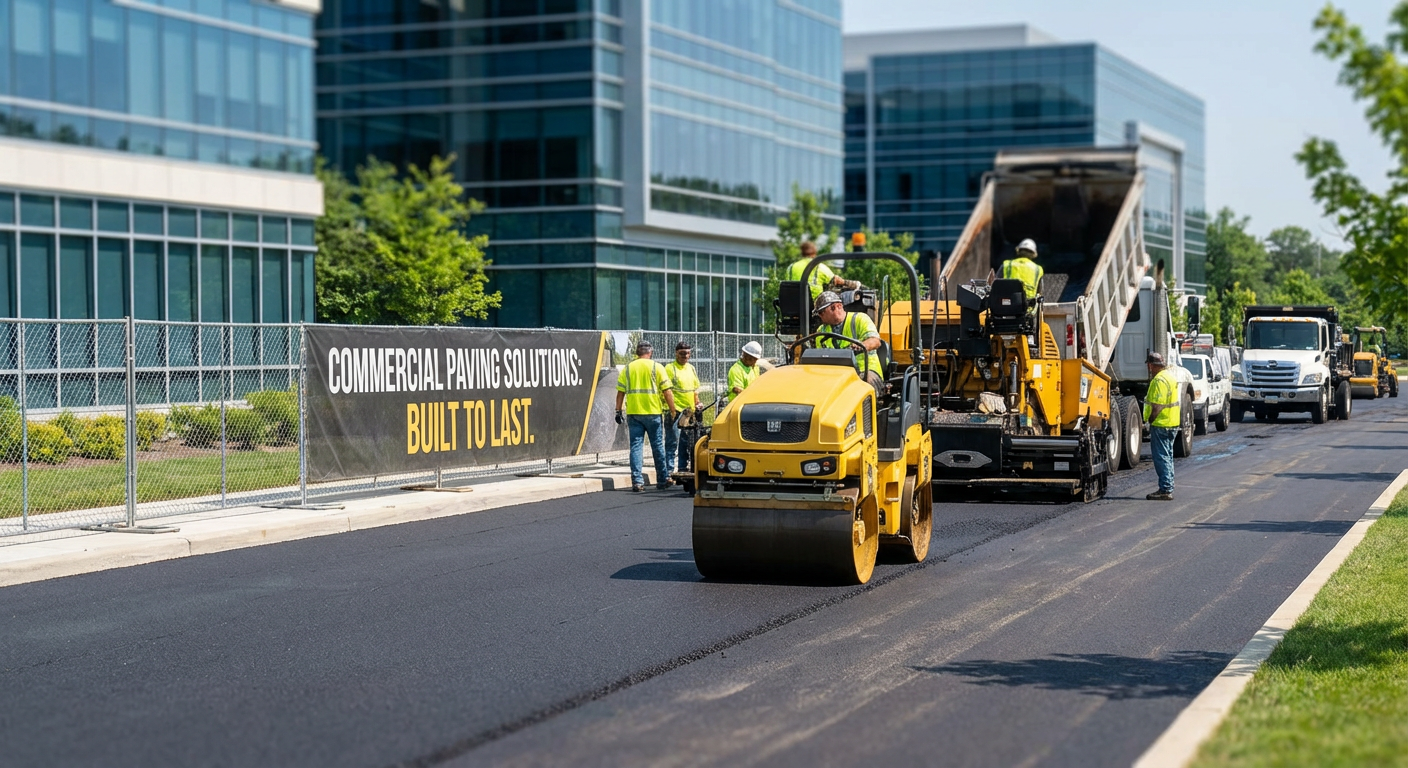
4 Budget-Friendly Commercial Paving Solutions That Deliver Real Value
Commercial property owners and managers face a constant challenge: maintaining safe, attractive pavement while keeping costs under control. Whether you’re dealing with a parking lot that’s seen better days or planning a new construction project, the right paving solution can save you money both upfront and over the long term. This list focuses on practical, cost-effective approaches that deliver solid results without breaking the bank. You’ll learn about options that balance initial investment with durability, maintenance needs, and overall return on your dollar.
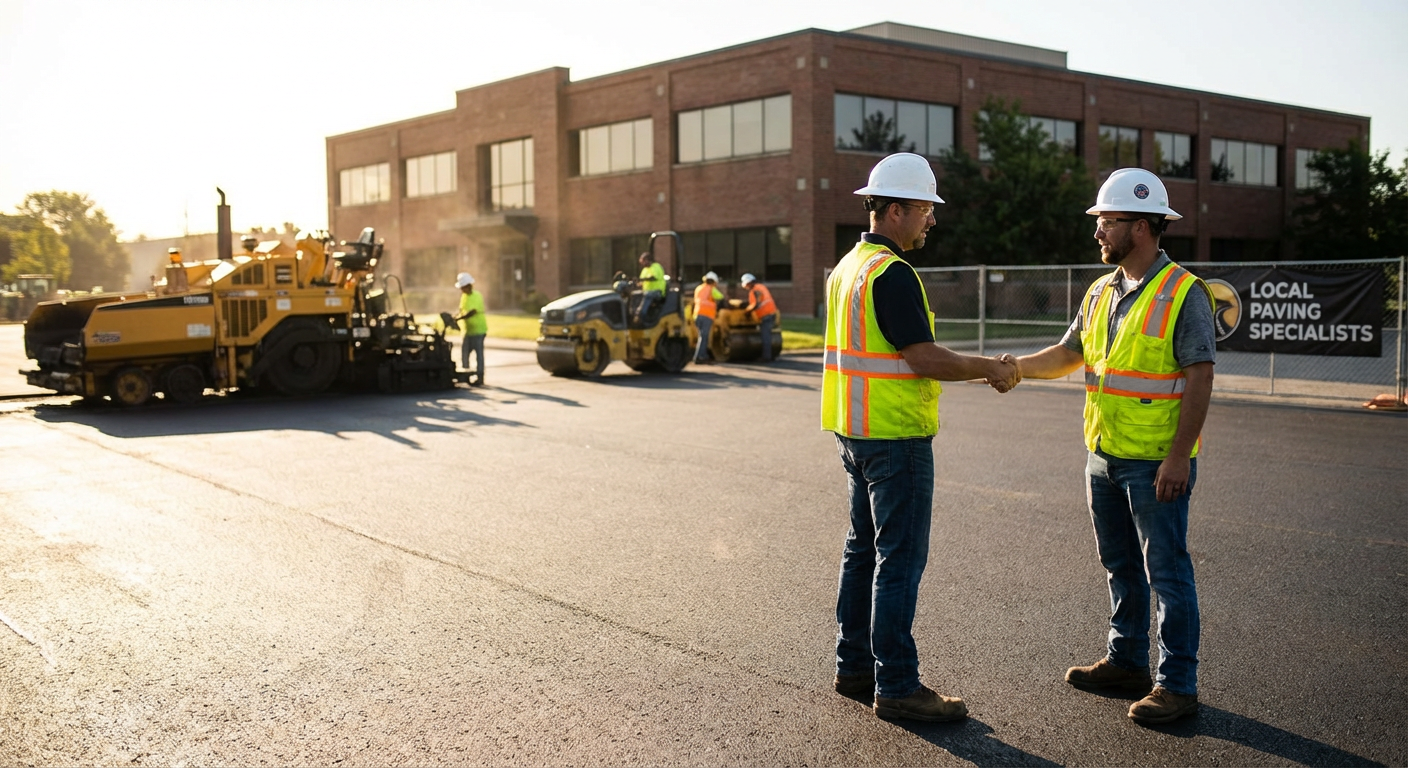
1. Partner With Local Paving Specialists Who Understand Value
Working with a regional contractor who knows your area can lead to significant savings compared to hiring national chains with higher overhead costs. St. Catharines Paving offers commercial paving services throughout the Niagara region, bringing local expertise and competitive pricing to businesses that need quality work without inflated costs. Because local companies source materials regionally and don’t carry the administrative burden of large corporate structures, they can often provide better rates while maintaining high standards. Local contractors also understand regional climate challenges, which means they can recommend materials and techniques that will last longer in your specific environment. This knowledge translates directly into cost savings, since properly installed pavement suited to local weather patterns requires less frequent repair and replacement. You won’t pay for trial and error or materials that don’t perform well in your climate zone.
Another financial advantage comes from faster response times and more flexible scheduling. When you need Asphalt Repairs & Maintenance, a nearby contractor can arrive quickly, preventing small issues from becoming expensive emergencies. The relationship you build with a local company also means better communication and the ability to plan maintenance during your off-peak hours, reducing disruption to your business operations.
Many regional paving companies also offer maintenance programs that help you spread costs over time rather than facing large, unexpected bills. These programs typically include regular inspections, crack sealing, and minor repairs that extend pavement life significantly. By catching problems early, you avoid the much higher expense of complete resurfacing or replacement down the road.
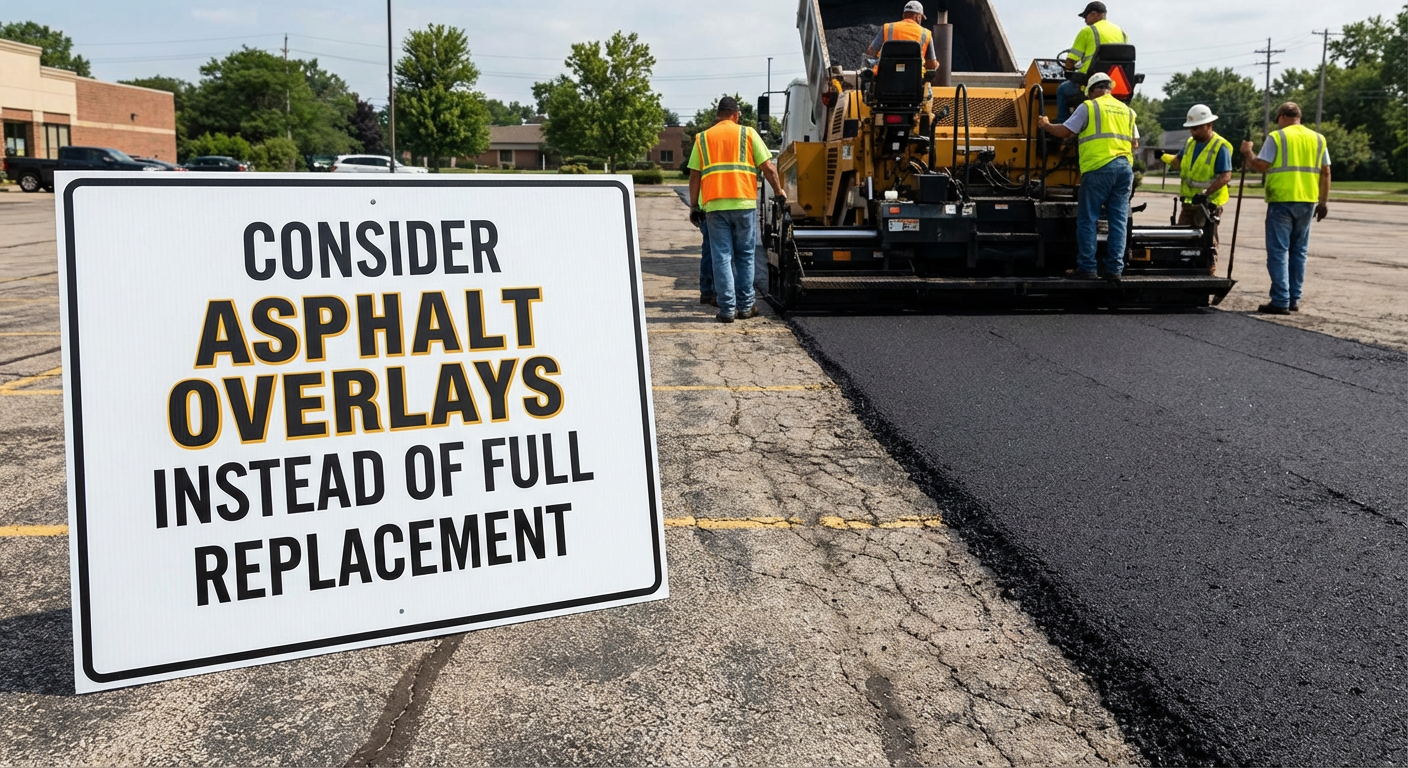
2. Consider Asphalt Overlays Instead of Full Replacement
If your existing pavement has a solid base but a worn surface, an overlay can cost 30 to 50 percent less than complete removal and replacement. This approach involves applying a new layer of asphalt over the existing surface after proper preparation, giving you a fresh, smooth pavement at a fraction of the cost. The key is having a contractor assess whether your base layer is still structurally sound enough to support an overlay. Proper preparation makes all the difference in overlay success. The existing surface needs milling to create a level base, and any significant cracks or potholes require repair before the new layer goes down. Edges should be properly graded to prevent water pooling. When done correctly, an overlay can last 10 to 15 years, providing excellent value for the investment. Overlays also create less disruption to your business operations. The process typically takes much less time than full replacement, meaning shorter closures of your parking areas or driveways. Less excavation also means lower disposal costs and reduced environmental impact, which can matter if your business has sustainability goals or operates in areas with strict environmental regulations.
This solution works particularly well for properties on a maintenance cycle where you plan to hold the property for a specific period. If you’re looking at a 10 to 15 year timeframe before major renovations or sale, an overlay delivers the appearance and function you need without overinvesting in pavement that exceeds your planning horizon. It’s a smart match between your financial timeline and your infrastructure needs.
3. Time Your Project to Take Advantage of Off-Season Pricing
Paving contractors experience significant seasonal fluctuations in demand, and you can capture real savings by scheduling work during their slower periods. Late fall and early spring often bring lower prices because contractors want to keep crews working and equipment active. While weather does impose some limitations, many regions have extended windows where paving remains viable at reduced rates. The savings can be substantial, sometimes ranging from 10 to 20 percent below peak season prices. Contractors may also be more willing to negotiate on project scope or throw in additional services like extra sealcoating or extended warranties when they’re looking to fill their schedules. You gain more of their attention too, since they’re not juggling multiple simultaneous projects during their busiest months. Planning ahead makes this strategy work. If you know you’ll need paving work, start conversations with contractors well before your target timeframe. Get quotes for both peak and off-peak scheduling, and compare the total cost including any business disruption. Sometimes the difference is significant enough that it makes sense to adjust your timeline.
Weather does introduce some risk with off-season work, so build flexibility into your plans. Contractors may need to postpone work by a few days or weeks if conditions aren’t suitable. However, reputable companies won’t compromise quality just to complete a job, and modern paving materials and techniques have expanded the viable working season considerably. The potential savings often outweigh the minor inconvenience of scheduling flexibility.
4. Invest in Preventive Maintenance to Avoid Costly Repairs
The most affordable paving solution is often the one that prevents expensive problems before they start. Regular maintenance costs a fraction of major repairs or replacement, yet many property owners skip these steps until damage becomes severe. A well-planned maintenance program can double or even triple the lifespan of your pavement, delivering enormous value over time. Sealcoating stands out as one of the highest-return maintenance investments you can make. Applied every two to three years, sealcoating protects asphalt from oxidation, water penetration, and chemical damage from vehicle fluids. The cost typically runs between 10 and 25 cents per square foot, while the protection it provides can prevent damage that costs dollars per square foot to repair. The math heavily favors regular sealcoating. Crack filling represents another small investment with big returns. Water is pavement’s worst enemy, and cracks provide direct pathways for moisture to reach and damage the base layer. Once the base fails, you’re looking at expensive reconstruction rather than surface repairs. Filling cracks as they appear, typically in spring and fall, costs very little but prevents the kind of deterioration that leads to major expenses.
Proper drainage maintenance also saves money by preventing water damage. Keep catch basins clear, ensure proper slope away from buildings, and address any areas where water pools after rain. Standing water accelerates pavement breakdown and can undermine the base layer. Simple attention to drainage extends pavement life significantly and costs almost nothing beyond regular inspection and minor adjustments.
Many contractors offer maintenance contracts that bundle these services at a reduced rate compared to calling for individual repairs. These contracts also ensure the work happens on schedule rather than being postponed until damage occurs. The predictable annual cost makes budgeting easier and protects you from surprise expenses that can disrupt your financial planning.
Smart commercial paving doesn’t require unlimited budgets. By focusing on value rather than just initial cost, you can maintain safe, attractive pavement that serves your business well for years. Whether you choose to work with knowledgeable local contractors, explore cost-effective alternatives like overlays, time your projects strategically, or commit to preventive maintenance, each approach offers real financial benefits. The key is matching the solution to your specific situation and planning horizon. Take time to evaluate your options, get multiple quotes, and consider the total cost of ownership rather than just the upfront price. Your pavement is a long-term investment, and thoughtful decisions now will pay dividends for years to come.